THE OFFENCE
No sketch in court to publish
Section 41 bars making, with a view to publication, a portrait or sketch in court of a judge, juror, witness or party, and publishing one. It applies in England and Wales.
Check a scene doodlesketcher
THE LAW ON COURT SKETCHES
Some sketchers are not allowed to sketch where they sit.
SINCE 1925 no sketching in court
£1,000 Maximum fine per offence (level 3)
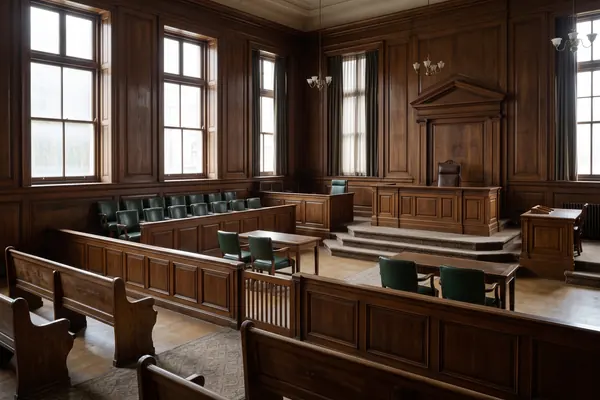
Section 41 of the Criminal Justice Act 1925 makes it an offence in England and Wales to make a portrait or sketch in court, with a view to publication, of a judge, juror, witness or party. The court building and its precincts count as in court.
THE SHORT ANSWER
One section of a 1925 Act.
It still shapes how English trials are pictured.
THE OFFENCE
Section 41 bars making, with a view to publication, a portrait or sketch in court of a judge, juror, witness or party, and publishing one. It applies in England and Wales.
Check a sceneTHE PLACE
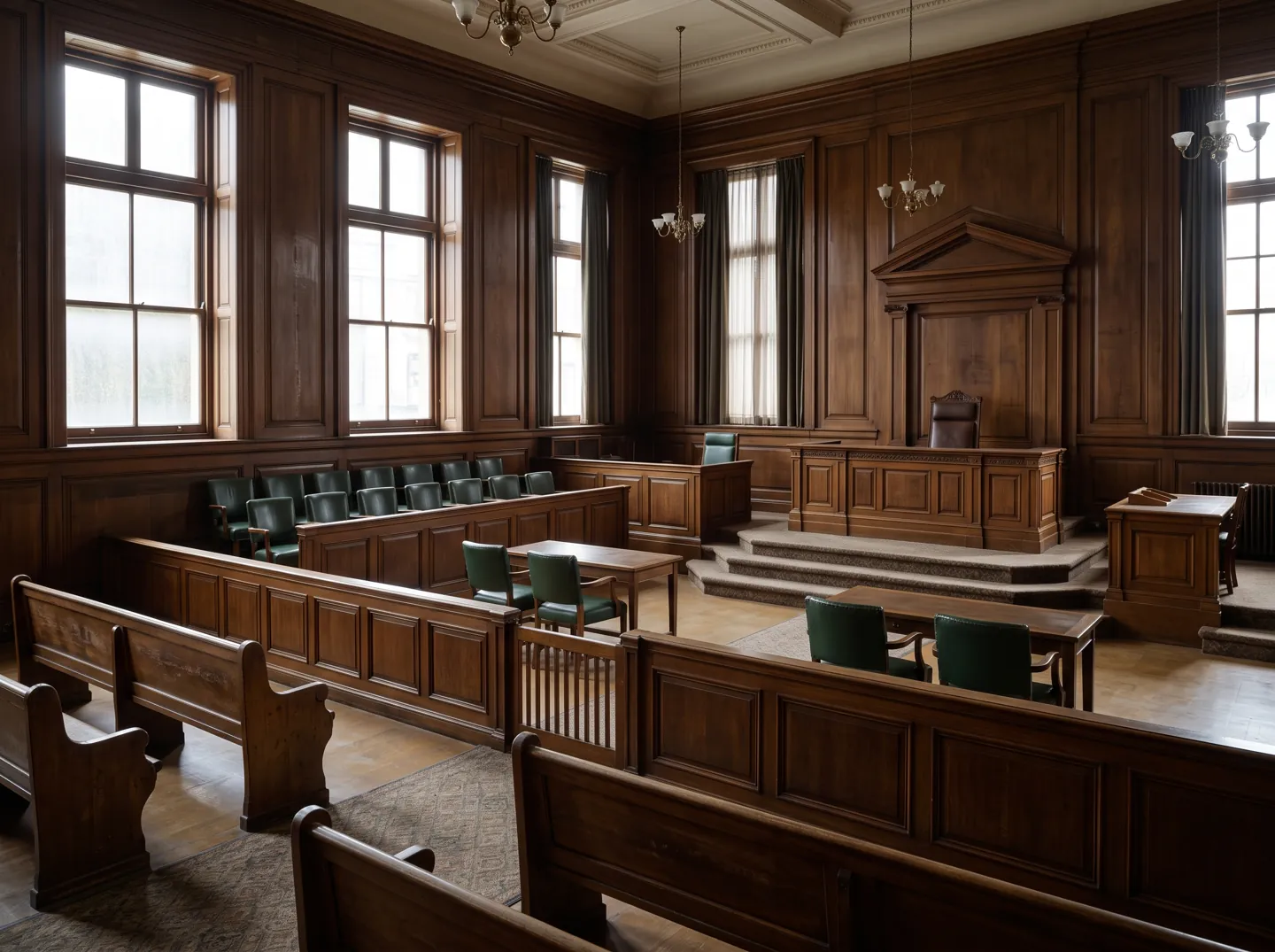
A sketch counts as made in court if it is made in the court-room, the building or its precincts, or of a person entering or leaving them.
See the numbersTHE EXCEPTIONS
Since 28 July 2022 broadcasters can film Crown Court sentencing remarks if the judge agrees. Only the judge is filmed, to protect victims, witnesses and jurors.
What changedA QUICK SCENE CHECK
Pick a scene to see how section 41 of the Criminal Justice Act 1925 treats it. The bar shows how squarely the rule applies.
A plain-English summary of the statute for general interest, not legal advice. Courts can also make their own orders.
FOUR CHANGES SINCE 1925
The 1925 wording is still the starting point. Later Acts carved out narrow exceptions rather than repealing it.
Since 1 October 2009 the Act's definition of a court excludes the Supreme Court.
From 15 July 2013 section 41 points to a power in the Crime and Courts Act 2013 to provide for further exceptions.
From 28 April 2022 section 41 does not apply to anything done under a direction for remote observation and recording of proceedings.
From 28 July 2022 judges' sentencing remarks can be filmed and broadcast, with only the judge shown.
TWO NUMBERS WORTH KNOWING
One figure from the statute book,
one from the first year of cameras.
£1,000
Maximum fine per offence (level 3)
Section 41 sets a fine up to level 3 on the standard scale for each offence. The Sentencing Act 2020 puts level 3 at £1,000 for offences since 1 October 1992.
THE PENALTY · SECTION 41
33 offenders
Sentencings filmed in the first year
In the 12 months after the first Crown Court broadcast on 28 July 2022, broadcasters filmed the sentencing of 33 offenders. Before that, only certain Court of Appeal cases were broadcast.
CAMERAS · MINISTRY OF JUSTICE
From legislation.gov.uk (Criminal Justice Act 1925 s.41; Sentencing Act 2020 s.122) and Ministry of Justice press releases of 27 July 2022 and 28 July 2023.
AND ELSEWHERE
In US federal criminal courts, Rule 53 of the Federal Rules of Criminal Procedure says the court must not permit photographs or broadcasting from the courtroom during proceedings, so courtroom sketches remain a main way of picturing many trials. The artists are usually freelancers or work for news outlets, not for the courts.
The Library of Congress describes its holdings of courtroom drawings as the most comprehensive of any American institution. According to the Library, the modern field of courtroom drawing dates back to the 1930s, when news coverage relied on artists after cameras were barred.
Questions
Section 41 of the Criminal Justice Act 1925 makes it an offence to make, in court and with a view to publication, a portrait or sketch of a judge, juror, witness or party, or to publish one. It applies in England and Wales.
No. A sketch or photograph counts as made in court if it is made in the court-room, the building or its precincts, or of the person while entering or leaving them.
A fine on summary conviction of up to level 3 on the standard scale for each offence. For offences since 1 October 1992, level 3 is £1,000 under section 122 of the Sentencing Act 2020.
Since 28 July 2022 broadcasters can apply to film judges' sentencing remarks in the Crown Court, and the judge decides. Only the judge is filmed, to protect victims, witnesses and jurors.
The Library of Congress notes that courtroom artists are not affiliated with the legal system: they are usually freelance or work for a news outlet or other publication.
Updated
ABOUT THIS NAME
doodlesketcher.com is part of the DoodleSale portfolio. It isn't in an auction right now, but you can ask about leasing it.